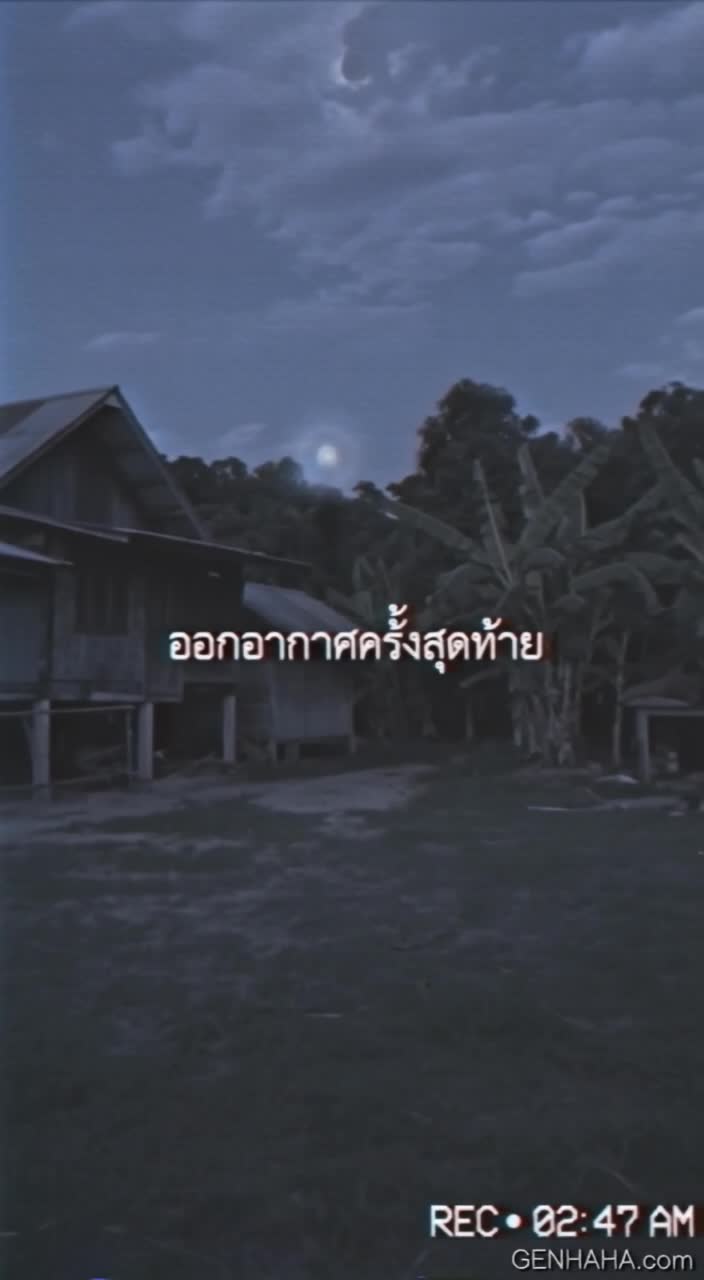
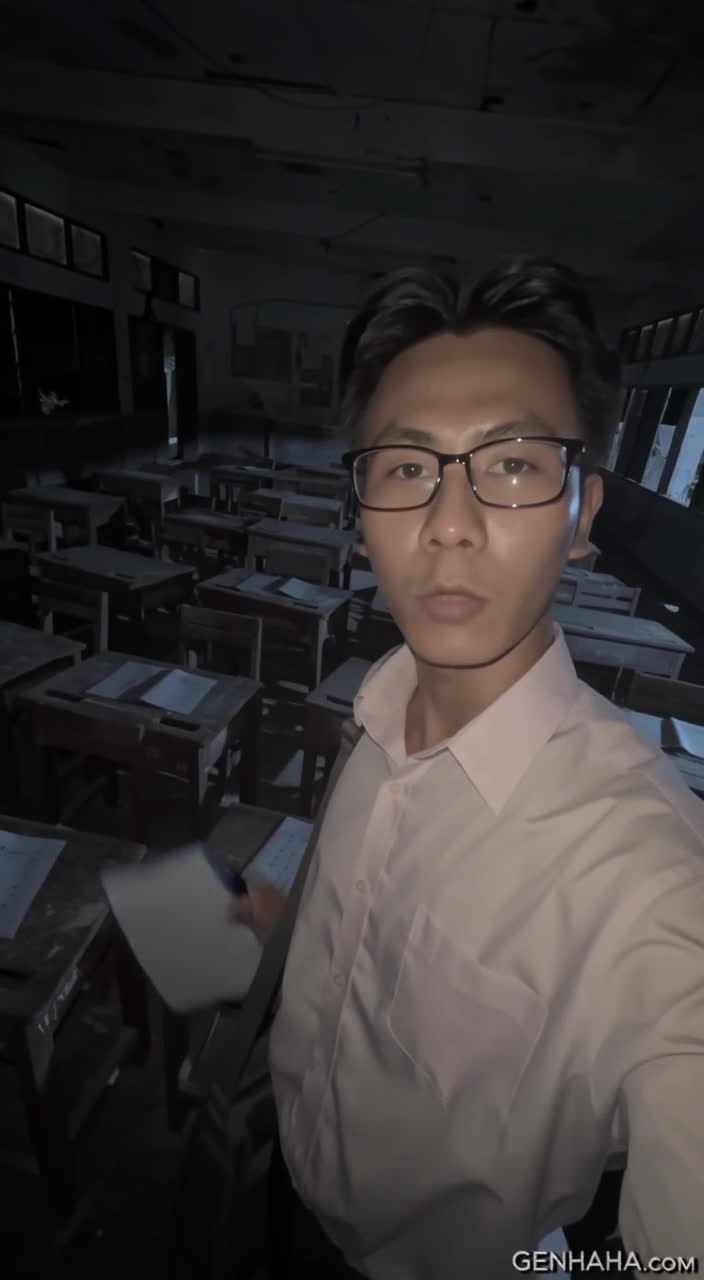
Create a 5-second vertical 9:16 natural raw Phone 17 Pro rear-camera…
โดย surapong tramporn
คำสั่งที่ใช้สร้าง
Create a 5-second vertical 9:16 natural raw Phone 17 Pro rear-camera filmed video in the North Atlantic deep-water zone near Greenland during a violent daytime storm, one continuous uncut handheld shot filmed from the wet steel deck of a massive oil tanker, no visible cameraman, no visible phone, no visible hands. The camera is constantly affected by the tanker’s movement and powerful wind, producing imperfect natural handheld shake, subtle rolling motion, slight motion blur, autofocus hunting and realistic smartphone exposure changes. Foreground contains a wet steel railing, rusty deck edges and thick soaked ropes swinging continuously in the storm. Heavy rain falls diagonally across the frame, sea spray repeatedly strikes the lens, water droplets distort small parts of the image and dirty lens smears appear naturally. In the background approximately 120 meters away, another enormous heavy oil tanker struggles through steep dark-grey North Atlantic waves, its hull wet and reflective, deck structures moving slightly with the swell, navigation lights faintly visible through rain, establishing realistic scale before the animal appears. At 0:00-0:01 the distant tanker rises on a large wave and drops heavily while the surrounding ocean begins forming an unusual broad circular disturbance. At 0:01-0:02 the camera shakes harder as a gigantic dark shadow moves continuously beneath the surface from right to left, clearly traveling forward and passing underneath the tanker rather than remaining stationary; the water above the shadow becomes darker and subtly bulges from the animal’s displacement. At 0:02-0:03 the enormous Greenland shark rises partially toward the surface beside the tanker, revealing a huge blunt head, small dark eyes, rough grey-black skin and part of its dorsal body through rain and turbulent water. The shark MUST remain in continuous natural locomotion: its powerful tail sweeps slowly side-to-side with realistic muscular propulsion, the body flexes subtly from head to tail, pectoral fins adjust continuously to stabilize its position, and the entire animal rolls and pitches naturally with the ocean swell. It must never hover, freeze, stand still or move mechanically. At 0:03-0:04 the shark swims forward past the tanker, gradually turning its head and body while descending slightly; its massive tail continues rhythmic lateral movement with realistic inertia and water resistance, while waves break across its back and water flows naturally over the rough skin. Natural overcast daylight creates soft diffuse highlights on the wet upper surface while the underside becomes visibly darker due to reduced ambient light; shadows change correctly as the shark passes beneath waves and clouds, with no artificial glow. At 0:04-0:05 the shark continues swimming downward and away from the camera, its body progressively disappearing beneath the dark green-grey water while the tail remains visibly moving before finally vanishing into foam and rain. Maintain physically accurate ocean interaction: realistic water displacement, turbulence, foam, buoyancy, wave reflections, refraction, wet-surface highlights, atmospheric haze and depth-based loss of contrast. The shark must look like a real biological Greenland shark, extremely large but anatomically believable, with natural slow powerful swimming rather than a fantasy monster attack. Audio is raw natural location sound only: violent North Atlantic wind, heavy rain hitting the microphone, waves crashing against steel, tanker engines and metal creaking, ropes snapping, deep water turbulence and a faint frightened American operator breathing and whispering “What the hell is that?” No music, no cinematic score, no artificial creature roar. The entire video must look like accid
ตั้งค่าที่ใช้
- ความยาว
- ≈ 10 วินาที
- สัดส่วนภาพ
- แนวตั้ง
- เสียง
- มีเสียง